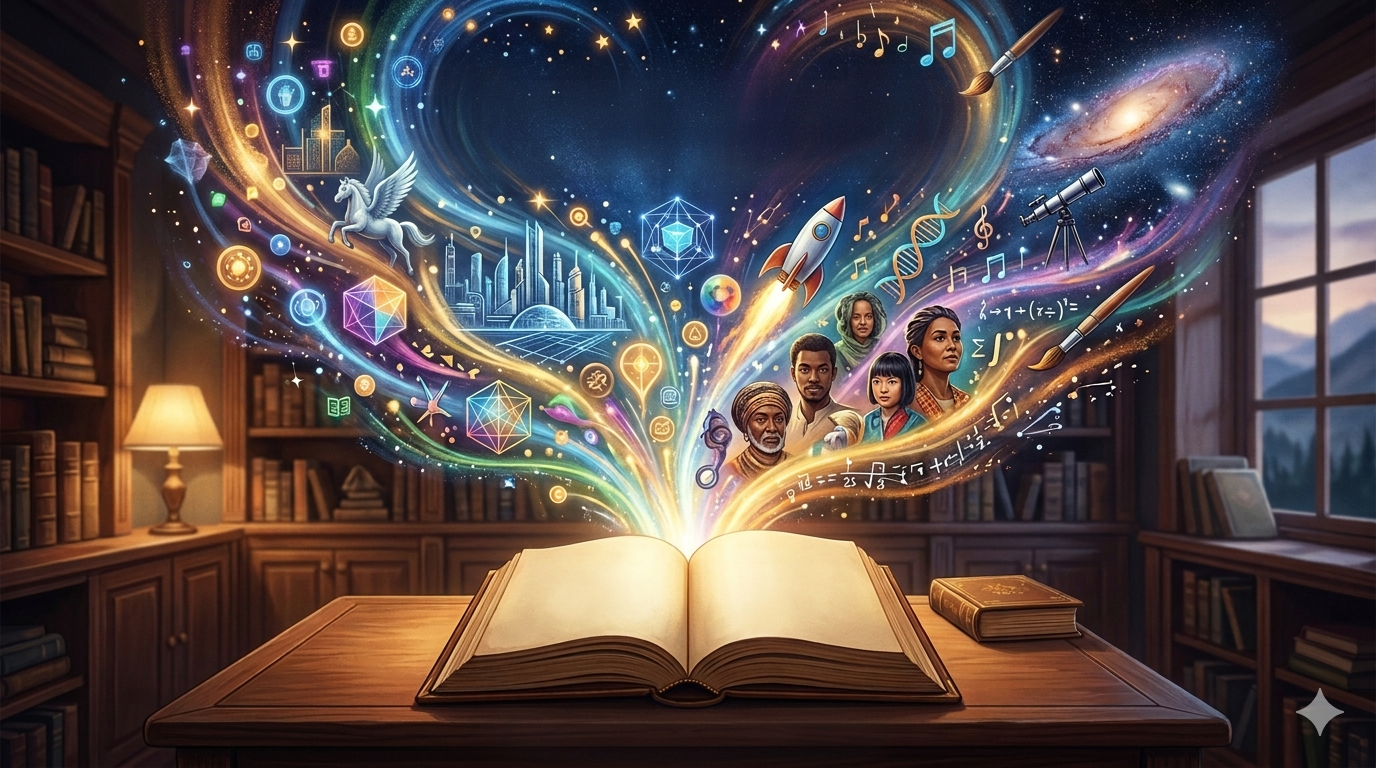
IMAGINATION LETS US DREAM AND CREATE BEYOND WHAT WE KNOW. It helps us find new ideas and possibilities. While knowledge gives us structure and stability, imagination fuels growth and innovation. It sparks creativity and helps us solve problems. This visionary thinking moves us past facts, inviting us to explore the unknown. This drive has pushed humanity forward for centuries.

The Limits of Knowledge

The Value of What We Know
Knowledge is valuable. It helps us find our way in the world, understand how things work, and solve everyday problems. Through knowledge, we learn about physics, history, and the math behind modern technology. Knowledge lets us repeat what works, avoid mistakes, and share ideas clearly. Without it, society could not move forward.
Where Knowledge Falls Short
But knowledge has limits. It is built on what we have seen, recorded, and proven. No one can know everything, and what we believe today might change in the future. Knowledge responds to what already exists rather than creating something new. It gives us answers, but it cannot ask new questions, dream up ideas, or imagine worlds beyond what we know now.
The Role of the Unknown
Science often finds new questions that challenge what we know about the universe. From how life began to what consciousness is, many things are still unknown. This shows that knowledge alone cannot explain everything. In these uncertain areas, imagination thrives, reaching beyond facts into endless possibilities.
The Unlimited Power of Imagination
Freedom Beyond Reality
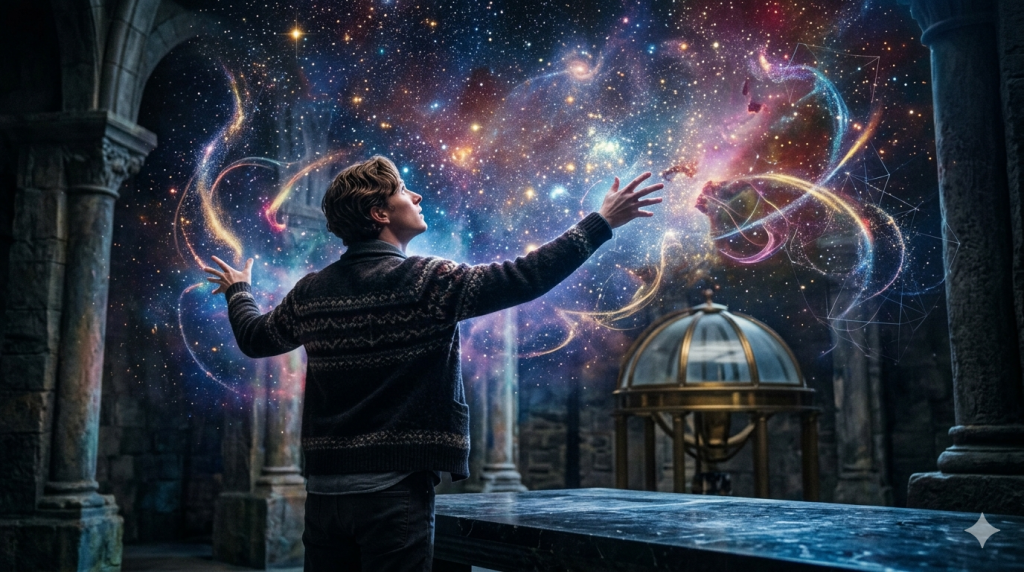
Imagination has no limits. It helps us think of ideas, images, and situations that do not exist yet. While knowledge is connected to reality, imagination is free to explore things that seem unlikely, unusual, or invisible. It turns simple understanding into real creativity.
Imagination: The Source of Creation
Imagination has led to every major innovation in history. It helps scientists picture experiments before they happen, artists create new worlds, and writers tell stories beyond real life. Creative thinking lets us go beyond what is possible today and explore what could be possible tomorrow. It is where dreams begin, creativity takes root, and endless possibilities unfold.
Imagination as the Spark of Innovation
Imagination: Vision Before Reality
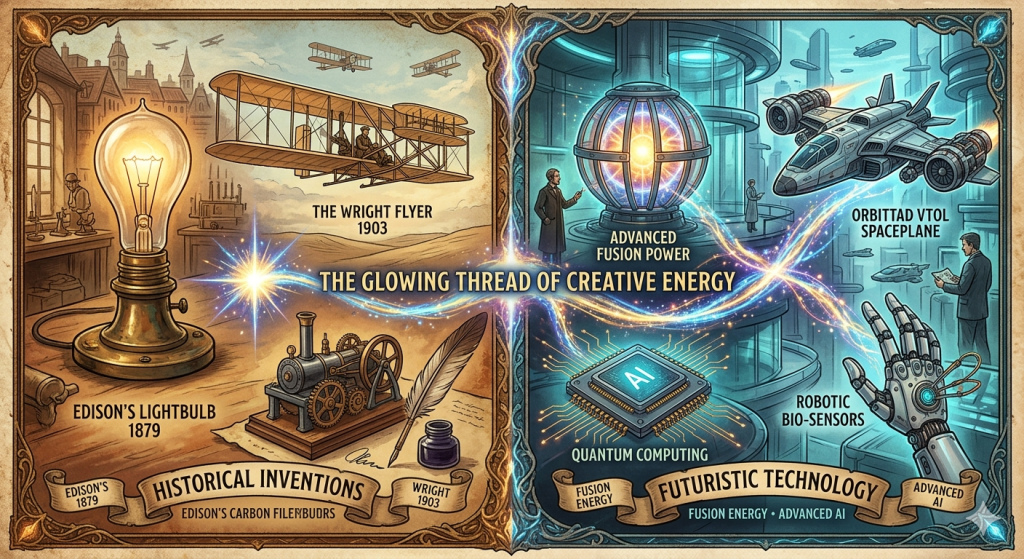
Innovation cannot happen without imagination. Every invention, from the wheel to the internet, started as an idea in someone’s mind before it became real. The Wright brothers, for example, imagined people flying long before airplanes existed. Many doubted them, but their imagination, along with hard work and knowledge, changed transportation forever.
Seeing Beyond the Present
Similarly, Thomas Edison imagined cities lit by electricity while gas lamps were still in use everywhere. His knowledge of chemistry and physics helped him make this vision real, but it was his imagination that let him see beyond the limits of his time. Innovation always begins by imagining what does not exist yet, questioning what is normal, and looking for possibilities others might not see.
Everyday Innovation
Even small, everyday changes need imagination. A teacher planning a fun lesson, a chef creating a new recipe, or a community redesigning public spaces all begin by imagining something different. Knowledge helps, but imagination is what starts change.
Using Imagination to Solve Problems
Thinking Beyond Conventional Solutions
Life brings problems that old methods cannot always fix. New challenges often need us to be flexible and creative. In these moments, creativity is essential. It helps us think ahead, look at different options, and find solutions that knowledge alone cannot provide.
Creative Solutions in Action
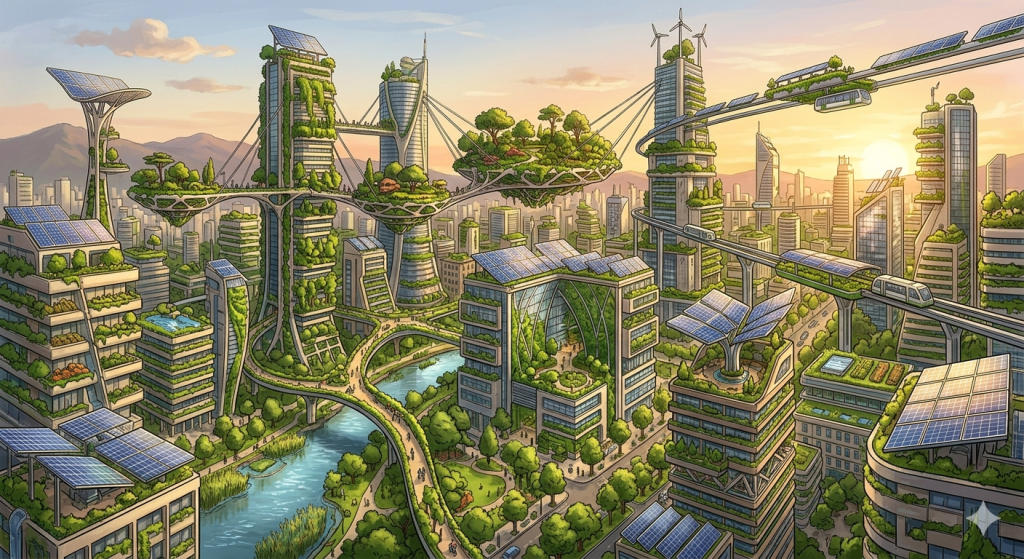
Urban planning is a good example. Knowledge gives us facts about soil, rainfall, and infrastructure. But imagination lets city planners come up with creative ideas such as vertical gardens, floating neighborhoods, and public spaces with multiple uses. By imagining new possibilities, they can find solutions that go beyond old methods and meet both current and future needs. It lets us see problems as puzzles with many solutions, opening doors that knowledge alone cannot unlock.
Nurturing and Cultivating Imagination

Creating Space for Curiosity and Imagination
Even though imagination is important, it is often not encouraged enough today. From a young age, people are taught to memorize facts and meet set standards. These skills are helpful, but they often leave little room for curiosity, exploration, or creative thinking, which are important for imagination.
Building Imagination Through Experience
Growing imagination takes effort. Curiosity comes first. Asking “what if” and “why not” opens our minds to new ideas. Learning about other cultures and experiences sparks creativity. Traveling, reading, or making art helps us think imaginatively.
The Power of Play and Reflection
Play and new experiences are as important as making mistakes. Originality grows best with freedom to explore. Taking breaks and daydreaming help connect ideas in new ways. Short pauses in our daily routines can lead to creative insights. Imagination flourishes when our minds are free to wander.
The Interplay Between Knowledge and Imagination
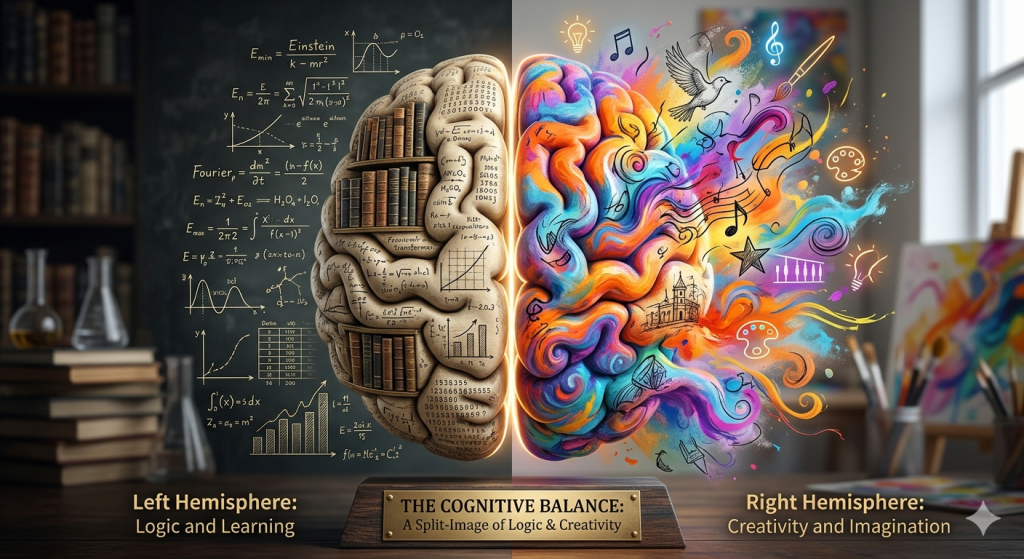
Working Together, Not Against Each Other
Knowledge and imagination are not opposites; they work together. Knowledge gives us the tools, background, and structure to turn creative ideas into reality. Imagination gives knowledge purpose, direction, and the power to create change.
When Balance Creates Progress
Take architecture as an example. Engineering, physics, and material knowledge are needed to build. Imagination helps us design inspiring spaces and challenge old ideas. Without knowledge, ideas stay dreams. Without innovation, we repeat the same things. Progress happens when both work together.
Lessons from Great Thinkers
Leonardo da Vinci used his scientific knowledge to imagine inventions ahead of his time. Innovators like Tesla and Curie started with knowledge and used imagination to push boundaries.
Imagination as a Source of Empathy
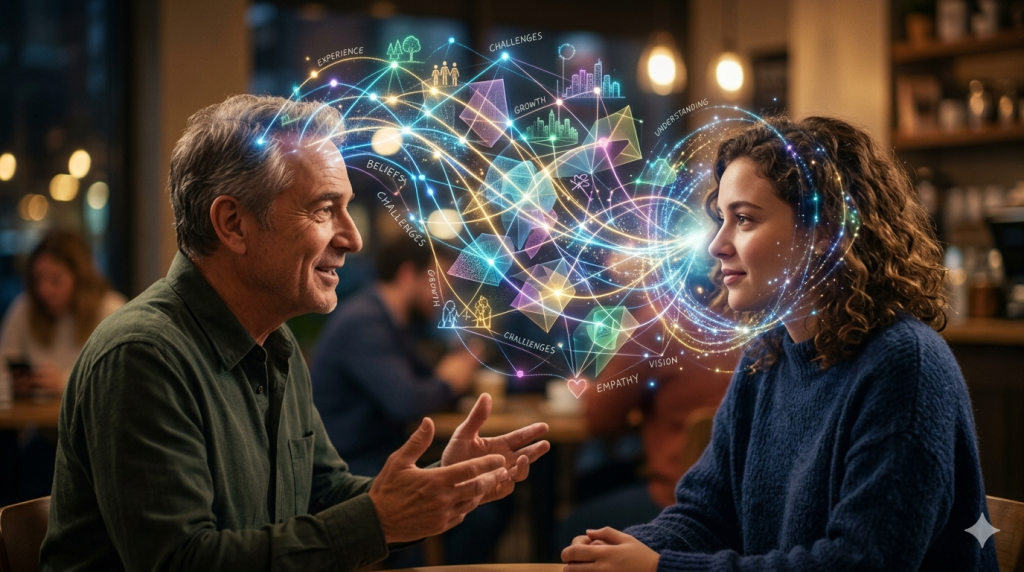
Stepping Into Another’s World
Imagination also helps us connect with others. When we imagine what others think, feel, or experience, we build empathy. This skill helps us understand different perspectives, leading to more compassion and stronger relationships.
Turning Understanding Into Connection
Writers, actors, and leaders often use imagination to help others understand. A novelist can imagine being a character from another culture, sharing experiences readers might never have. A leader who thinks about how decisions affect different groups can act more fairly and wisely. Knowledge gives us facts, but imagination creates the connections that turn understanding into empathy.
Imagination in the Modern World

A Skill That Sets Us Apart
In our fast-changing world, ingenuity matters more than ever. Technology helps us gather knowledge, but it cannot match our human ability to dream, invent, and see new possibilities.
The Driving Force Behind Innovation
Artificial intelligence can analyze data and run simulations, but it lacks the creativity that drives real discovery and invention. Every technological breakthrough, from virtual reality to renewable energy, started as a vision in someone’s use of their mind’s eye before it became real.
Overcoming Barriers to Imagination
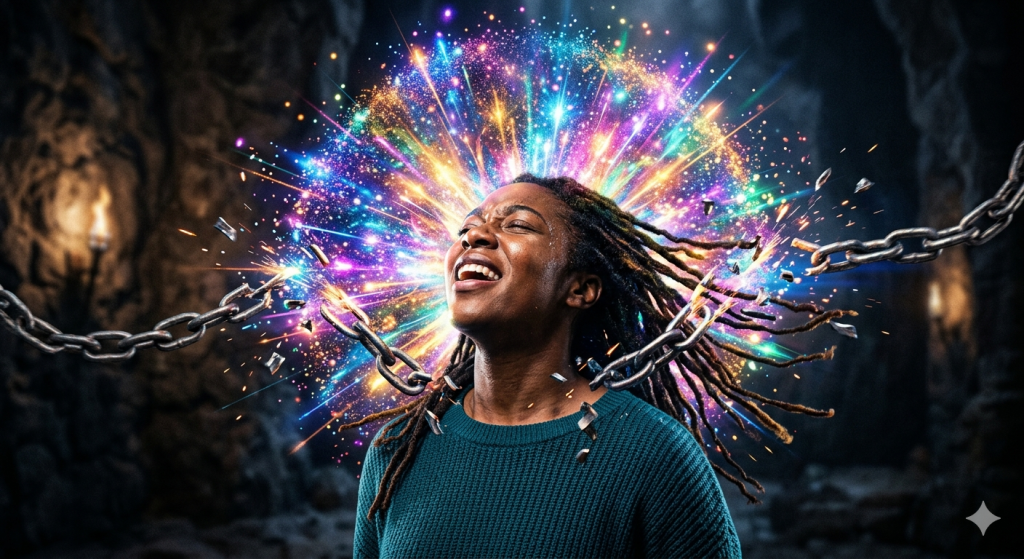
Breaking Free from Limiting Beliefs
Even though imagination is important, it can be held back by fear, doubt, or what others expect. Many people focus on being certain, practical, and successful in ways that can be measured, instead of being creative or trying new ideas. This way of thinking can limit our potential and keep good ideas from becoming real.
Courage to Create
Overcoming these barriers takes courage. We need the courage to imagine beyond limits, try new things, and accept that failure can happen. Mistakes are not the end; they help us turn imagination into real ideas.
Unlocking Creative Potential
Being open, curious, and willing to take risks is key to growing a creative mind. When we see challenges as chances to explore, we unlock potential that knowledge alone cannot reach.
Living a Life Guided by Imagination

Expanding How We See Life
Embracing creativity changes how we think, act, and experience life. It encourages us to look for new possibilities, question our assumptions, and imagine futures beyond what we know now.
Practicing Imagination Daily
In practice, living with visionary thinking means making time for reflection and play each day. It means trying new things and asking questions that do not have easy answers. Look at things from new angles and accept that you don’t know everything.
A Life of Possibility
Living creatively means thinking broadly and acting bravely. The world is full of possibilities.
Conclusion:
Beyond Knowledge, Into Possibility
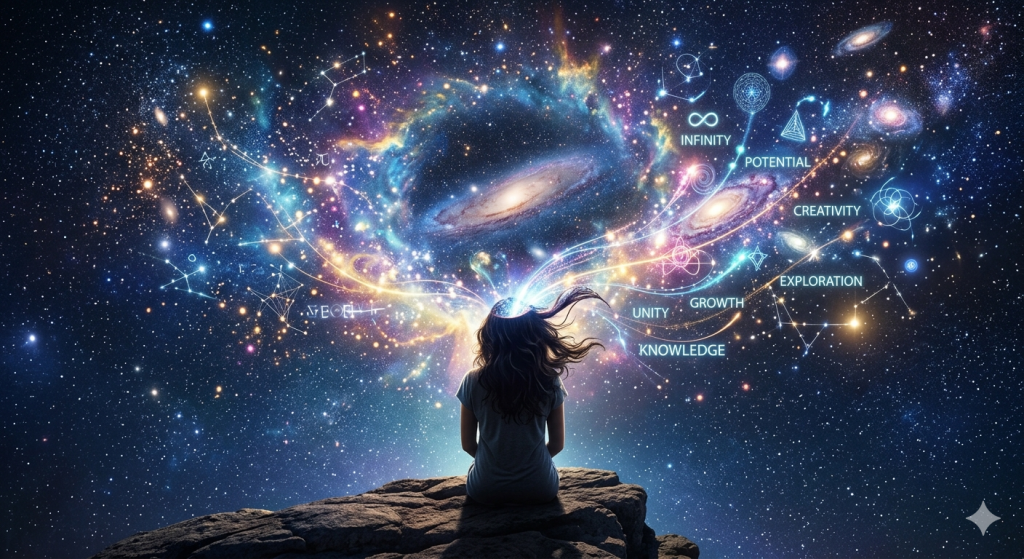
Imagination is humanity’s essential force for progress. While knowledge helps us navigate, decide, and understand the world—offering stability and drawing from what is already known—imagination opens paths beyond those boundaries. It enables invention, connection, and problem-solving that knowledge alone cannot achieve. When combined, knowledge and imagination unlock our full potential, helping us shape the world not just as it is, but as it could be. All innovation, art, and solutions originate in creative thought—it is the driving spark of progress and the foundation for envisioning the future.
Choosing the use of your mind’s eye means choosing growth, creativity, empathy, and endless possibilities. In a world limited by what we already know, imagination takes us beyond those limits into a world full of new opportunities. It is both our guide and our greatest gift, showing us that the human mind is as limitless as the world we can imagine.