
When you learn to embrace discomfort, you develop the mental toughness to face life’s greatest difficulties. Modern life prizes convenience and instant gratification. With one swipe on a screen, we order hot meals to our doorsteps, adjust our home temperature without leaving the couch, or stream unlimited entertainment the moment we get bored. Technology has built a world with essentially no daily friction, physical or mental.
But this ease comes at a hidden price. If you always choose the easy way, you erode your innate capacity to deal with stress. Small irritations become huge disasters, and any unplanned obstacle can quickly take you off track. The human mind is like a muscle; it grows weak without regular physical activity. To regain that inherent grit, you have to learn to embrace discomfort on purpose through the discipline of deliberate adversity.
Why You Must Embrace Discomfort
In a World of Instant Ease

Most people see friction as something to avoid or get rid of quickly. The moment chilly air hits our skin, we go for a bulky coat. When we are alone, we pick up a smartphone to scroll through news feeds. Any time work gets hard, we either take an impromptu break or look for a shortcut. We have been conditioned to see every little twinge of discomfort as an error to be corrected immediately.
Building true mental strength requires a shift in perspective. Instead of viewing difficulty as an obstacle or a threat, you must treat it as a deliberate training ground.
When you intentionally embrace discomfort, you engage in a process known as stress adaptation. Your nervous system learns that experiencing temporary friction does not mean you are in danger—it simply means you are growing. Over time, exposing yourself to small challenges neutralizes the knee-jerk panic reaction that usually occurs during unexpected life events. You begin to realize that discomfort is not a sign that something is wrong, but rather evidence that you are actively building emotional stamina. Most importantly, leaning into these moments gradually expands your comfort zone, proving that true growth always lies just beyond its familiar borders.
The Philosophy of Voluntary Hardship
and Modern Mindset

It’s an old idea: voluntary hardship. It’s a mainstay of ancient philosophies such as Stoicism and of traditional physical training throughout history. Seneca and Marcus Aurelius, among others, recommended occasional abstinence from luxuries, eating basic food, and rubbing the body with physical friction. They found it was too late to rehearse coping with poverty when a crisis came.
Our environment is significantly different now, yet our bodies are not. Our bodies and minds were made for physical activity, for changing scenery and periods of waiting. When you live in perpetual affluence, your tolerance baseline diminishes. You can restore your mind’s natural potential for stamina by putting yourself through voluntary difficulties.
To embrace discomfort today is like buying an insurance policy for your future well-being. Training your mind on little, harmless stressors creates a reservoir of serenity. You realize that you don’t have to do what your thoughts tell you to do. And that the discomfort you feel is just a physical sensation that will pass, but is not a reason to stop.
Practical Ways to Embrace Discomfort in Daily Life

Voluntary hardship doesn’t have to be dramatic actions, dangerous risks, or major lifestyle changes. In fact, it is not only permissible to start modestly, but it is recommended. Start with the smallest, most achievable changes that fit your current schedule, and expand as you feel more comfortable. The idea isn’t to torture yourself or be miserable but to find small, reasonable amounts of friction you can exert over your inert routine.
Daily Micro-Habits for Mind and Body
Here are practical, everyday habits to help you build physical and mental discipline:
- Physical Micro-Habits: Turn the shower dial to cold for the final 30 to 60 seconds of your morning routine. Choose to take the stairs instead of the elevator or escalator. Walk outside for a few minutes in crisp weather without immediately putting on a heavy jacket.
- Mental & Social Habits: Instead of nibbling out of boredom, try short, planned periods of intermittent fasting. Don’t text on your phone while you’re in line at the grocery store. Sit quietly in a room with no background music, podcasts, or digital noise for five to 10 minutes.
- Focus & Discipline Habits: When you initially open up your emails or social media feeds, start with your most challenging or complex task. Hold off on the instant pleasure. Wait one more hour before you indulge in a treat or reward.
Why Consistency Trumps Intensity
Consistency matters far more than intensity. A short cold shower or a bit of stillness each day can do more for you than a big, difficult challenge once a year. Over time, these small, intentional choices build a strong foundation of mental resilience.
Tracking Progress and Maintaining Momentum
You can also set daily reminders on your phone or calendar to keep your momentum going with your chosen habit. Keep a simple journal or habit tracker and mark each time you practice. These visible reminders and records can be encouraging, helping you see your progress, celebrate streaks, and get back on track fast if you miss a day.
How to Embrace Discomfort to Cultivate
Proactive Resilience

There are two distinct ways to approach adversity in life: reactively or proactively.
Reactive resilience happens when life hits you with an unexpected crisis—such as losing a job, dealing with a sudden illness, or navigating a major relationship change—and you are forced to figure out how to survive on the spot. This approach leaves you vulnerable, as you are learning to manage intense stress while simultaneously dealing with the emotional damage of the event.
Proactive resilience involves preparing your nervous system before the test occurs. You work on small tasks of your own choosing. The stress of the real world cannot paralyze you anymore. Each day you prove you can take the heat, work through aggravations, and keep firm under pressure. Controlled adversity isn’t dread; it’s responding to genuine challenge with a calm head and clear rationale.
Think about how an athlete trains for a competition. They don’t wait until the championship game to start training. They spend months lifting weights, running exercises, and pushing through weariness in practice. Voluntary hardship is simply the arena where you test your thoughts.
Overcoming the Instinct to Seek Ease
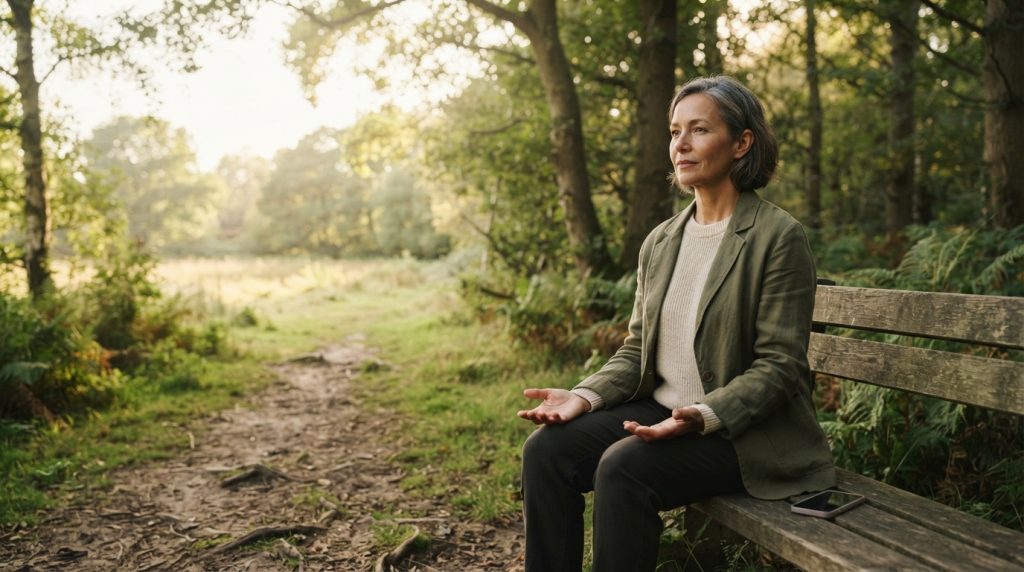
The human brain naturally conserves energy and seeks safety. From an evolutionary perspective, this instinct kept our ancestors alive when resources were scarce and physical dangers were constant. However, in a modern environment where food is abundant and physical safety is largely guaranteed, this energy-conserving instinct can easily work against us.
If you feel an inner need to withdraw so that you might be more comfortable, think of it as an involuntary reflex and not as a law. The next time you’re about to check your phone because you’re bored, or you’re about to miss a tough workout, stop and take a big breath. Realize that this same point of inner resistance is where the growth occurs.
In these situations, use internal self-talk to help you respond. For example, you might tell yourself, “This discomfort is temporary, but growth is permanent,” or ask, “What if I just sit with this feeling for another minute?” You might employ a slogan such as, “I choose growth over comfort.” Practicing these inner reminders shifts your perspective in the moment, helping you pause and choose the less-traveled path—harder, but more rewarding.
Noticing when you become uncomfortable and choosing not to act on it right away breaks the loop of impulse and reaction. You take back control of your decisions, and you show yourself that your conscious mind is more powerful than your passing desires.
How Long-Term Discipline Transforms Your Life

Beyond physical stamina and basic self-discipline, constantly embracing discomfort brings wide-ranging benefits. This practice will profoundly change your outlook on life, at work and at play.
- Enhanced Emotional Regulation: The emotional center of your brain learns to stay calm through small, controlled stresses. You don’t lose your cool when big interruptions happen at work or when personal problems come up.
- Greater Focus and Productivity: Pushing through minor mental friction builds your ability to concentrate on deep, complex work without getting easily distracted by superficial urges.
- Unshakeable Self-Trust: Every time you keep a small promise to yourself—whether it is taking the stairs or putting away your phone—you build trust in your own capabilities. You develop a deep confidence grounded in real experience.
Over months and years, these small adjustments build into a mindset you can’t undo. You no longer fear change, the unknown, or hard times because you know you have the inner resources to handle them and do well.
Frequently Asked Questions About Building Resilience

How can I tailor these discomfort practices to my unique lifestyle or limitations?
Not everyone needs to suffer voluntarily, and it doesn’t always mean hard physical work. The trick is to find something outside your comfort zone that doesn’t harm your mind or body. If physical challenges like cold showers or taking the stairs aren’t suitable for your physical health, focus on mental, social, or discipline challenges.
For example, you may sit silently for ten minutes without screen distraction, do modest isometric holds, delay gratification before checking messages, or work through a tedious task without interrupting yourself. Turn the friction up to the edge of your particular comfort zone.
What should I do if I feel discouraged by setbacks when I embrace discomfort?
Your brain wants to find the easiest way to do things and save energy. Struggling with consistency is normal. If you forget something or give in to ease, don’t build a story of failure out of it. Instead, use the setback as a chance to embrace discomfort by being gentle with yourself, not beating yourself up.
You can make your practice so easy it doesn’t feel like a practice, like a 10-second cold rinse or putting aside your phone for 2 minutes. It’s far more beneficial to build momentum through tiny wins than to force extreme consistency through brute effort.
Are there real-life stories of people who embrace discomfort and benefited from it?
Controlled adversity has been called a transformational force by various people throughout history and modern wellness culture. The proof is everywhere, from ancient Stoic thinkers living on basic rations from time to time to contemporary endurance athletes and military personnel who undergo stress exposure therapy.
Thousands of people report significant gains in emotional control in everyday life from basic routines such as cold exposure, intermittent fasting, mild breathwork, or systematic digital detoxes. They find that tackling small everyday problems makes them much less reactive to unexpected workplace stress, family emergencies, and daily disruptions.
How can I measure my growth or know if I’m actually becoming more resilient?
Resilience growth is often subtle and shows up in how you respond to unexpected events, not in a specific score or metric. You know you are making progress when you notice a shift in your internal recovery time—how quickly you bounce back after a frustration, disruption, or minor inconvenience.
Track your progress by keeping a simple daily journal to note moments where you would normally feel panicked, annoyed, or eager to quit, and evaluate how calm you remained instead. Another clear indicator of growth is less friction hesitation: the time between deciding to do a difficult task and actually starting it gets shorter over time.
Conclusion:
Embrace Discomfort and Build Real Strength

Everyone experiences some suffering at some point. Life is full of surprises, and hard changes and personal hardships come up. The question isn’t whether you will have trouble, but how prepared you will be when it comes.
Taking on little, planned tasks today can help get your head in better shape. You don’t have to fix everything immediately. You should quit attempting to hide from the things that happen to you every day.
Next Steps: Give up one little indulgence immediately. If you need to work without your phone, put it somewhere else and take the stairs. If you’re showering in the morning, turn off the water. Don’t see that choice as a problem; consider it an opportunity to get stronger. “You get stronger as you go over time when you push yourself a little further than you think you can go.”